Provincial Licensing Shapes Secure Payment Choices for Mobile Jackpot Players in Regulated Canadian Markets
Riley Baumann · Aug 21, 2026
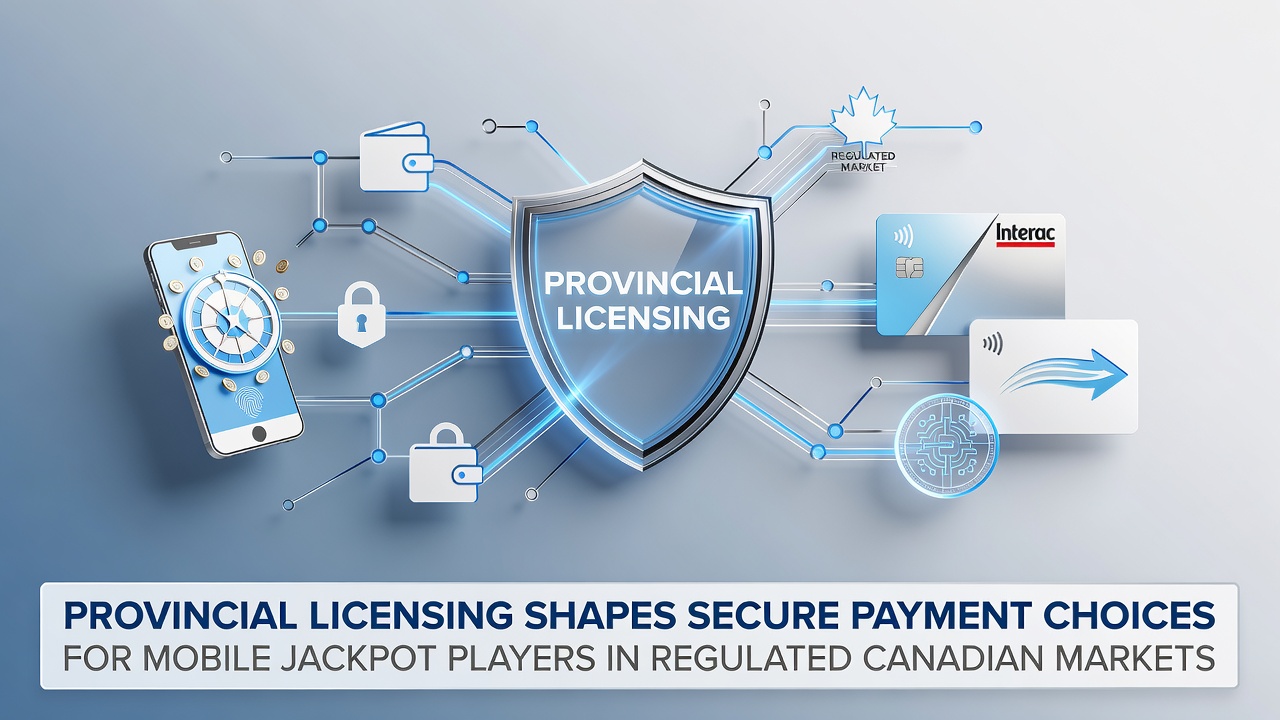
Provincial Licensing Shapes Secure Payment Choices for Mobile Jackpot Players in Regulated Canadian Markets
Provincial licensing requirements in Canada continue to define the range of secure payment methods available to mobile jackpot players, with each jurisdiction setting distinct standards for encryption, verification, and transaction processing that operators must follow. These rules emerge from frameworks developed by bodies such as the Alcohol and Gaming Commission of Ontario and similar agencies in British Columbia and Quebec, creating a patchwork where mobile users encounter varying options depending on their location.
Licensing Structures Across Key Provinces
Ontario's regulated market, managed through iGaming Ontario, mandates that all payment processors undergo rigorous testing for compliance with data protection protocols, which directly limits the selection of e-wallets and bank transfer systems that can handle jackpot payouts on mobile devices. British Columbia relies on its provincial lottery corporation to oversee licensing, and this approach emphasizes integration with domestic banking networks, resulting in fewer international card options but stronger safeguards against fraud for players accessing mobile games. Quebec maintains a government-controlled system through Loto-Québec, where licensing conditions require operators to use only pre-approved payment gateways that support real-time verification, a measure that shapes how jackpot wins reach mobile accounts without delays or additional security layers.
Alberta and other provinces without full online frameworks still permit certain licensed activities through partnerships, yet these arrangements impose even stricter controls on cross-border transactions, often directing mobile players toward verified local methods that align with federal banking regulations. Observers note that such variations stem from each province's interpretation of the Criminal Code provisions on gaming, which allow individual jurisdictions to set their own operational standards while maintaining overall legality.
Impact on Mobile Payment Security Standards
Data from regulatory reports indicate that licensed operators in these markets must implement multi-factor authentication and end-to-end encryption for all mobile transactions, measures that reduce exposure to unauthorized access during jackpot claims. As of August 2026, several provinces have updated their technical requirements to include enhanced tokenization for recurring payments, a change that further restricts unapproved digital wallet providers from participating in regulated environments. This evolution aligns with broader efforts to meet international benchmarks for financial data handling without adopting uniform national rules.
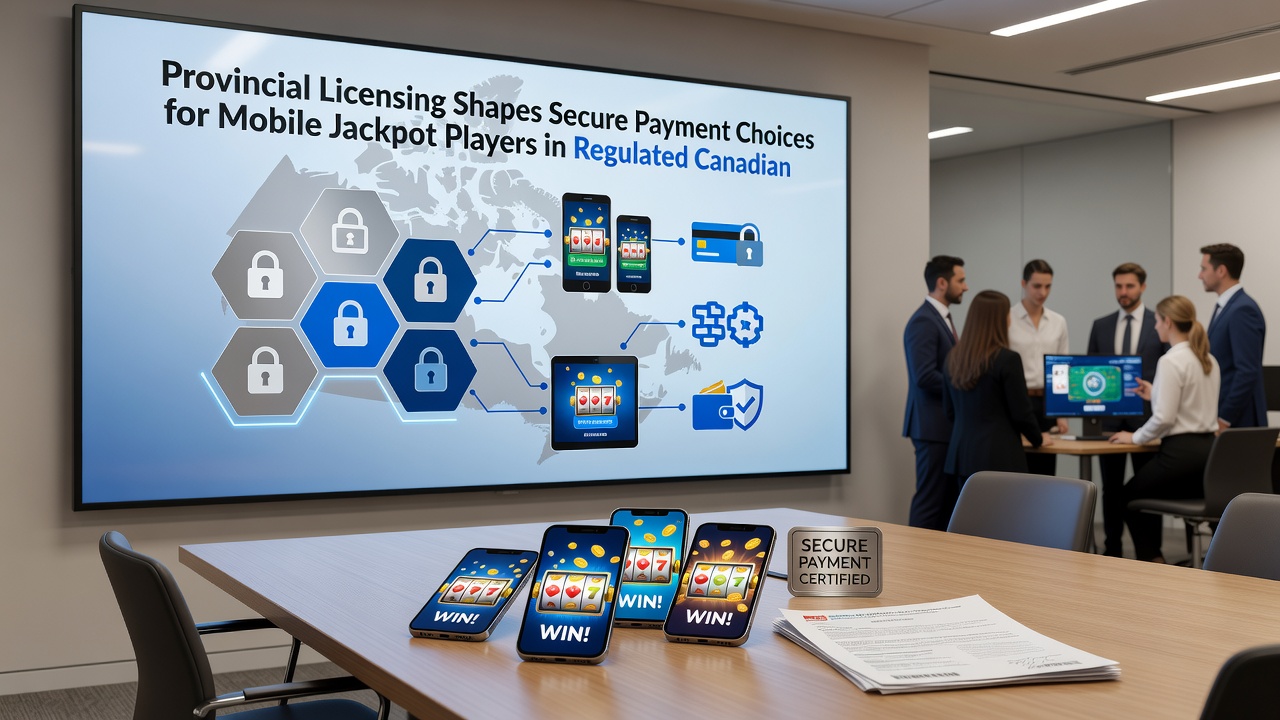
Players in regulated markets often find that only processors meeting provincial criteria can facilitate deposits and withdrawals, which excludes many popular global services and channels mobile activity through vetted Canadian or partnered institutions. Research from industry analyses shows that these restrictions correlate with lower reported incidents of payment disputes, as the licensing process includes ongoing audits of transaction logs and compliance records.
Approved Methods and Their Regulatory Foundations
Common payment choices under provincial licenses include Interac e-Transfer, specific credit card networks, and select prepaid card systems, each vetted for adherence to anti-money laundering protocols enforced at the provincial level. Mobile jackpot players benefit from these selections because licensing agreements require operators to maintain segregated accounts for player funds, a safeguard that protects balances even during high-volume payout periods. One study from a Canadian research institution revealed that provinces with mature licensing systems process a higher percentage of mobile transactions through methods that support instant verification, reducing wait times for jackpot releases compared to less regulated channels.
Turns out the emphasis on secure choices also extends to cryptocurrency options in select jurisdictions, though approvals remain limited to those digital assets that comply with provincial financial reporting rules. Experts have observed that this selective approach prevents the introduction of higher-risk payment tools while still allowing innovation within controlled parameters. And yet the overall effect keeps the focus on reliability, with operators required to disclose all available methods clearly in their mobile applications.
Regional Comparisons and Emerging Trends
Comparisons with systems in other countries highlight Canada's provincial model as one that prioritizes localized control, similar to approaches seen in certain Australian state regulations or U.S. state-by-state frameworks, where payment security standards adapt to regional priorities. Canadian federal guidelines provide overarching principles on financial transactions that provinces incorporate into their gaming licenses, ensuring consistency in areas like consumer protection without overriding local authority. A separate analysis from an academic report on global gaming markets notes parallel developments in how licensing shapes digital payment ecosystems across borders.
What's interesting is how these provincial differences create distinct user experiences for mobile jackpot players, with some regions offering broader method variety while others concentrate on a narrower set of highly secure options. Data shows that adoption rates for mobile gaming rise in provinces where payment processes feel seamless due to pre-licensed integrations.
Conclusion
Provincial licensing continues to determine the secure payment landscape for mobile jackpot players by enforcing compliance standards that vary yet share common goals of fraud prevention and fund protection. As frameworks evolve through 2026 and beyond, the interplay between these rules and available transaction methods remains central to regulated Canadian markets, guiding operators and players alike toward approved channels that meet established security thresholds.